



March has arrived, ushering in a welcome break from the chill of winter and renewing the sense of optimism that comes with spring. That feeling is especially reflected in seasonal celebrations like Passover at the end of the month and Easter in early April. These holidays highlight powerful themes of freedom, renewal, and life, rooted in some of history’s most enduring stories. One of those stories may even have influenced the naming of the Pharaoh ant, a species originally from Africa. According to PestWeb, scientist Carl Linnaeus gave the ant its name in 1758 after examining a specimen from Egypt, possibly linking it to the biblical plagues. Considering how widespread these ants are, along with their ability to spread disease and adapt quickly, it’s not hard to see why they may have been viewed that way. Even today, Pharaoh ants remain a serious nuisance, known for invading spaces rapidly and proving extremely difficult to control.
What do Pharaoh Ants Look Like?
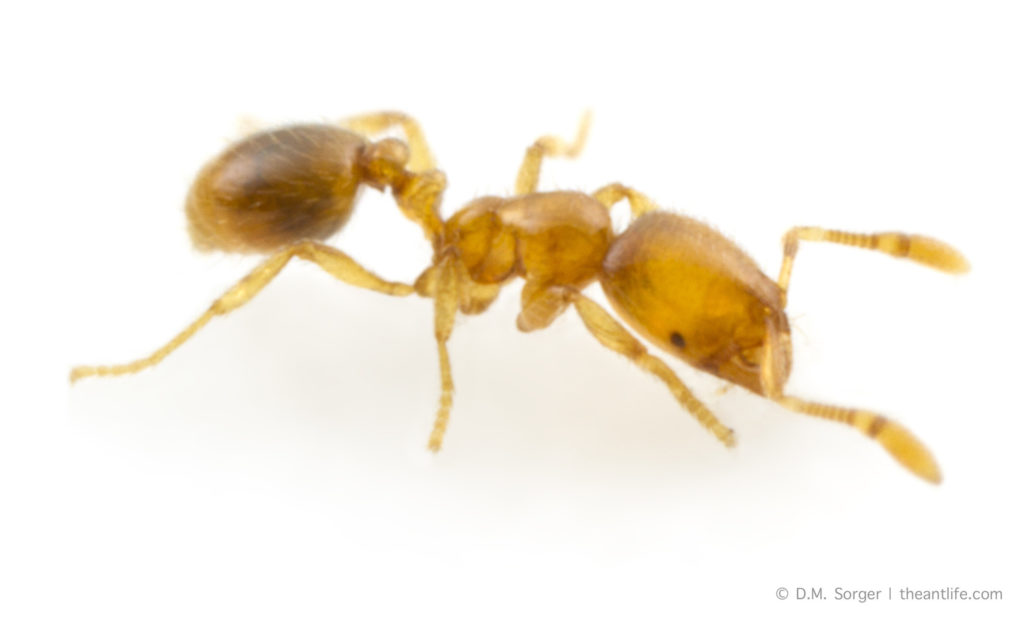
Pharaoh ants—often casually called sugar ants or “piss ants”—are some of the tiniest ants you’ll come across, measuring just 1.5 to 2 mm long, roughly the size of a crayon tip. Their color can vary from pale yellow or light brown to reddish tones, typically with a darker abdomen. While they do possess a stinger, they rarely use it and are not known to sting humans. Because of their small size and color variations, they’re easily mistaken for other ant species. That’s why proper identification is so important, since different ants require different treatment approaches. If you suspect you’re dealing with Pharaoh ants, it’s best to consult a professional like TheBugDude at 800-310-BUGS (2847) for accurate identification and a customized treatment plan for your home.

Where do Pharaoh Ants Live?
Although Pharaoh ants originated in Africa and prefer warmer climates, they’ve spread across the globe and are now found on every continent except Antarctica. They are most commonly an indoor pest, thriving inside heated structures where food and moisture are readily available. In warmer tropical areas and southern regions, however, they can also establish nests outdoors, making them a persistent problem in a wide range of environments.
Pharaoh ant colonies can vary widely in size, ranging from just a few dozen individuals to hundreds of thousands. One of the reasons they’re so difficult to control is their ability to spread through a process called budding, where a single colony splits into multiple smaller ones. These offshoot colonies remain connected to the original while expanding the overall infestation. Their rapid development adds to the problem—worker ants can mature from egg to adult in about 38 days, while males and queens take around 42 days. Each queen is capable of laying 400 or more eggs during her lifespan, which typically lasts between 4 and 12 months. In larger colonies, there may be hundreds of reproductive queens, allowing the population to grow and spread at an alarming rate.
Inside a structure, Pharaoh ants tend to settle in hard-to-reach areas that are warm, humid, and close to reliable food and water sources. Wall voids are a common nesting spot, but they can also hide in furniture, beneath flooring, within stacks of paper, between fabric layers, and even inside appliances. Because they stay tucked away in these concealed spaces and don’t produce visible swarms of winged ants during mating season, infestations often go unnoticed. In most cases, the first sign of a problem is spotting a trail of workers as they venture out in search of food.

What do Pharaoh Ants Eat?
Pharaoh ants aren’t especially picky when it comes to food—they’ll feed on almost anything that contains sugars, fats, or proteins. Their diet can include everything from peanut butter and baked goods to other insects. Because of this flexibility, they can show up anywhere food is present, making them a frequent issue in commercial settings. They’re commonly found not only in restaurants, but also in places like hotels and even hospitals, where their presence can be particularly concerning.

Are Pharaoh Ants Dangerous?
While Pharaoh ants don’t pose a direct physical threat, they don’t bite, sting, or damage wood; they are known carriers of numerous harmful pathogens. These ants have been linked to the spread of diseases such as Salmonella, Staphylococcus, and Streptococcus. As a result, they can create both financial and health risks, contaminating food supplies and sterile environments that must then be discarded or thoroughly sanitized. This issue becomes especially serious in healthcare settings, where Pharaoh ants have been observed seeking moisture from sources like patients’ mouths or even active IV lines. For individuals with weakened immune systems, including infants and burn patients, their presence can present a significant health concern.

How do you Prevent Pharaoh Ants?
When dealing with small ants, especially Pharaoh ants, it’s nearly impossible to completely keep them out of your home. Their tiny size allows them to slip through even the smallest openings. Instead of focusing on total prevention, the more effective strategy is to reduce entry points and make your home less attractive for nesting. Here are a few practical steps you can take to help achieve that:
- Most importantly: Avoid trying to treat Pharaoh ants on your own. At the first sign of an infestation, contact The Bug Dude at 817-354-5350 so trained professionals can apply the proper treatment. Using the wrong products can actually cause colonies to split and spread, making the problem far more difficult and time-consuming to resolve.
- Seal up cracks, gaps, and other small openings around your home or business to reduce entry points.
- Keep kitchens and eating areas clean, and promptly wipe up crumbs and spills.
- Store food in sealed, airtight containers to limit access.
- Trim back tree branches that hang over your home.
- Keep shrubs and bushes neatly trimmed so they don’t make contact with the structure.
- Remove any standing water in and around your property to reduce moisture sources.
- Maintain a routine pest control plan with The Bug Dude to help keep your home consistently protected.
How do you Eliminate Pharaoh Ants?
If you suspect a Pharaoh ant infestation, your first move should be to call The Bug Dude at 817-354-5350. These ants are especially challenging to control due to their tendency to split into multiple colonies and hide in hard-to-reach areas. Attempting to treat them without the right approach can actually make the situation worse, causing the infestation to spread and last longer. That’s why professional treatment is so important—our technicians are trained to use the most effective products and apply them in the right locations to eliminate the colonies quickly and efficiently, helping ensure these pests don’t disrupt your springtime celebrations.
Further Reading:
“common name: Pharaoh ant” – J.C. Nickerson and D.L. Harris, Florida Department of Agriculture and Consumer Services, Division of Plant Industry; and T.R. Fasulo, University of Florida – University of Florida
“Pharaoh Ants” – PestWorld.org
“Pharaoh Ant” – Texas Invasive Species Institute
“Creature Feature: Pharaoh Ants” – PestWeb – Veseris

